

How to Extract Earwax Without Causing Damage
Earwax build up is something most people experience at some point, and the temptation to deal with it at home can be strong. However, the ear canal is a delicate structure, and attempting to remove wax without the right knowledge or tools can lead to discomfort, infection, or even lasting damage to your hearing.
Whether you are exploring safe at-home softening methods or trying to understand when it is time to seek professional help, this guide walks you through everything you need to know. If you are struggling with blocked ears or reduced hearing, get in touch with our team or book an appointment at Junction Pharmacy today.
Understanding Earwax Before You Do Anything
Before attempting any form of earwax removal, it helps to understand what earwax actually is and why it exists. Earwax, known medically as cerumen, is produced naturally by glands in the ear canal and serves several protective functions:
➤ It traps dust, bacteria, and foreign particles before they can reach the eardrum
➤ It has antibacterial and antifungal properties that protect the ear canal
➤ It lubricates the skin of the ear canal, preventing dryness and irritation
➤ In most people, it naturally migrates out of the ear without any intervention
Problems arise when earwax builds up faster than it can clear, when it becomes compacted, or when well-meaning attempts to clean the ear actually push wax deeper into the canal. According to NHS guidance, earwax usually falls out on its own, and the ear canal does not need to be cleaned unless build up is causing symptoms.
Step 1: Recognise Whether You Actually Have a Problem
Not every sensation in the ear is caused by earwax. Before taking any action, it is worth identifying whether wax build up is genuinely the issue.
Common signs that earwax may be causing a problem include:
➤ Muffled or reduced hearing in one or both ears
➤ A feeling of fullness or pressure inside the ear
➤ Mild earache or a dull discomfort
➤ Ringing or buzzing sounds in the ear
➤ An itching sensation inside the canal
If you are experiencing severe pain, sudden hearing loss, discharge from the ear, or dizziness, these symptoms may indicate something other than simple wax build up. In these cases, seek professional assessment rather than attempting home treatment.
Step 2: Choose the Right Softening Method
Softening the wax is the only truly safe at-home approach to earwax management. It does not forcibly remove wax but instead helps the ear’s natural clearing process along. There are several options available:
➤ Olive oil: A few drops of warm (not hot) olive oil in the affected ear can help soften hardened wax over several days. This is one of the most commonly recommended home remedies
➤ Ear drops: Over-the-counter ear drops containing sodium bicarbonate or hydrogen peroxide are designed specifically to loosen wax and can be used as directed on the packaging
➤ Cerumenolytic drops: These are pharmacist-recommended drops formulated to break down wax.
While cerumen removal kits are available, if used incorrectly, or if wax it too compacted, they can cause more harm than good.
Tips for applying ear drops safely:
➤ Warm the drops to body temperature by holding the bottle in your hand for a few minutes beforehand
➤ Tilt your head to one side and apply the drops as directed
➤ Stay in position for several minutes to allow the drops to penetrate the wax
➤ Use a clean piece of cotton wool to gently catch any drainage from the ear
Step 3: Give It Time
One of the most important and often overlooked steps is simply waiting. Softening drops typically need to be used consistently for three to five days before wax begins to clear. Patients often give up too quickly or switch to more invasive methods when they do not see immediate results.
During the softening period:
➤ Use your drops at the same time each day for consistency
➤ Avoid inserting anything into the ear canal, even to check progress
➤ Be aware that symptoms can temporarily worsen as wax softens and shifts
➤ Keep the ear dry, particularly when showering or washing your hair
Step 4: Know What to Absolutely Avoid
Knowing what not to do is just as important as knowing the right approach. Many common ear-cleaning habits are not only ineffective but can actively cause harm.
Avoid the following at all times:
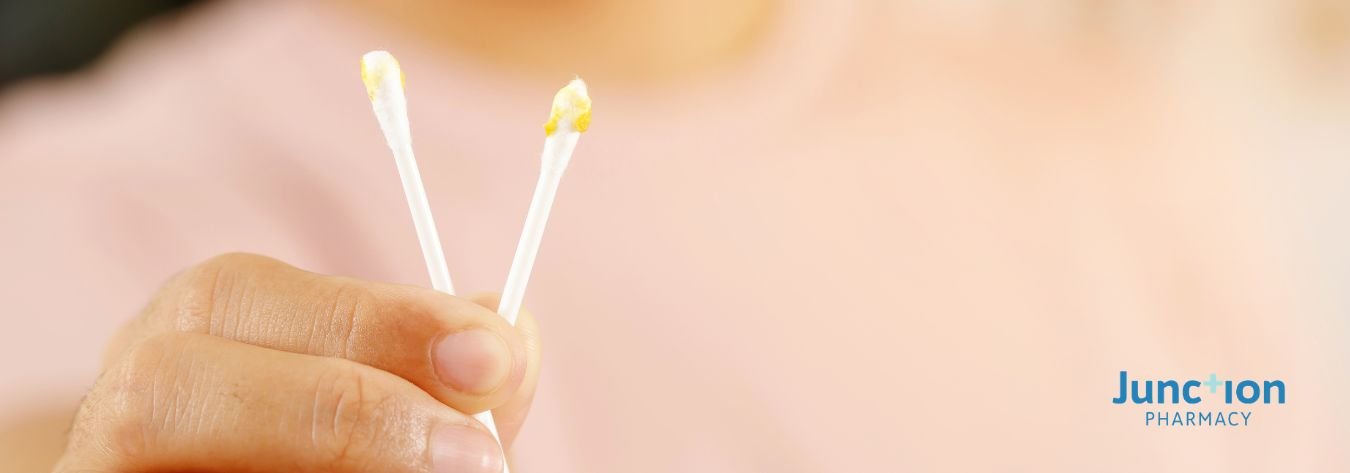
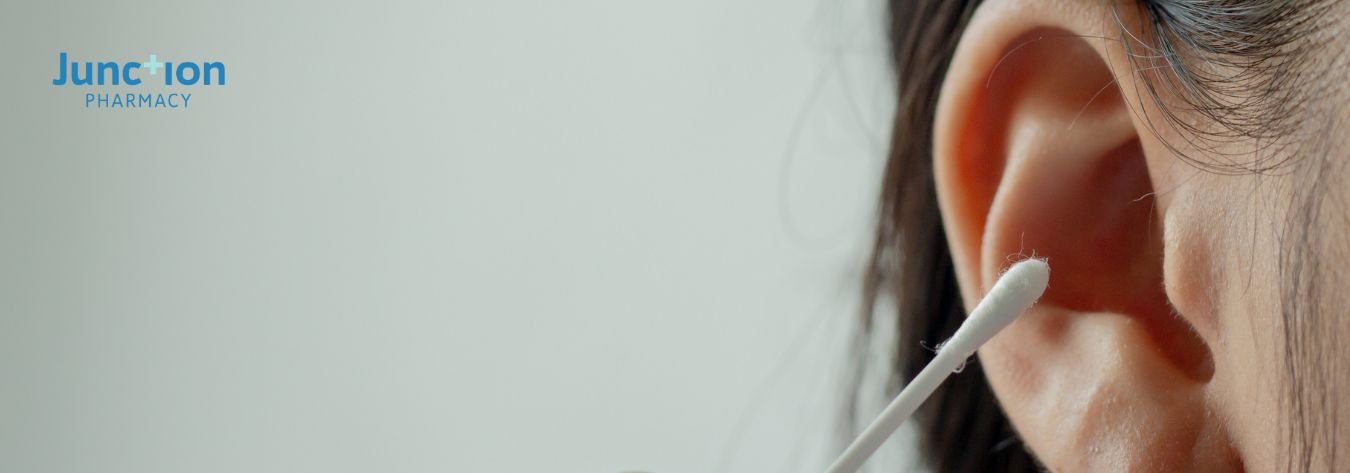
➤ Cotton buds: These push wax deeper into the canal rather than removing it and can cause impaction, micro-abrasions, or even eardrum perforation
➤ Ear candles: There is no clinical evidence that ear candles remove earwax. They carry a serious risk of burns, blockages from candle wax, and fire
➤ Bobby pins, fingers, or sharp objects: These introduce bacteria into the ear canal and risk serious injury to the ear canal or eardrum
➤ Excessive ear irrigation at home: Flushing the ear at home with syringes or bulb irrigators without professional guidance can cause infection or damage, particularly if there is an undetected perforation in the eardrum
Step 5: Recognise When to See a Professional
At-home methods have their limits. If softening drops have not resolved your symptoms after five to seven days, or if your symptoms are worsening, it is time to seek professional earwax removal rather than persisting at home.
Signs that professional removal is needed:
➤ Symptoms have not improved after a week of using ear drops
➤ Hearing loss is noticeable or getting worse
➤ You are experiencing pain or pressure that is not easing
➤ You wear hearing aids, which can accelerate wax build up
➤ You have a history of ear surgery, a perforated eardrum, or recurrent ear infections
Professional Earwax Removal at Junction Pharmacy
For patients across London, Junction Pharmacy offers professional earwax removal carried out by trained clinicians in a safe, clinical environment.
Our microsuction service uses gentle suction to remove wax under direct visual guidance, without the use of water. It is one of the most widely recommended methods for safe wax removal, and most patients notice an immediate improvement in hearing following their appointment.
Benefits of choosing professional microsuction include:
➤ No water used, making it suitable for patients with perforated eardrums or previous ear surgery
➤ Safe, controlled removal under direct visualisation
➤ Quick appointments with immediate results for most patients
➤ Performed by experienced, trained clinicians
➤ Available at our Brixton clinic with convenient appointment times
Safe Ear Care Starts With the Right Approach
Extracting earwax without causing damage comes down to one simple principle: gentle and gradual always wins. Softening drops used consistently over several days, combined with a firm commitment to avoiding cotton buds and other harmful tools, is the safest route for managing mild build up at home.
When that is not enough, professional help is always available. Do not wait until symptoms become severe before seeking advice. The sooner impacted wax is assessed by a clinician, the easier and more comfortable the removal process will be.
If you are based in London, Camberwell, or Brixton and would like to have your ears assessed, we would be glad to help. Reach out to our team at Junction Pharmacy, drop in, or book your ear care appointment online. You can also call us on 02072747599 or email us at junctionpharmacy@gmail.com.
Disclaimer: This article is intended for general informational and educational purposes only and does not constitute medical advice. The steps outlined in this guide are general in nature and may not be appropriate for every individual. Always consult a qualified healthcare professional before attempting earwax removal, particularly if you have a history of ear problems, surgery, or infection.
