

How To Avoid Loose Skin When Losing Weight Without Surgery
Losing weight is a fantastic achievement, but many people worry about what happens to their skin along the way. If you are wondering how to avoid loose skin when losing weight, you are not alone. The good news is that with the right approach, you can support your skin through the process and achieve results that look and feel sustainable.
At Junction Pharmacy, our medical weight loss programmes are designed to support healthy, gradual weight loss in a way that works with your body, not against it. Explore our weight loss services or get in touch to speak with a member of our team today.
Why Does Loose Skin Happen During Weight Loss?
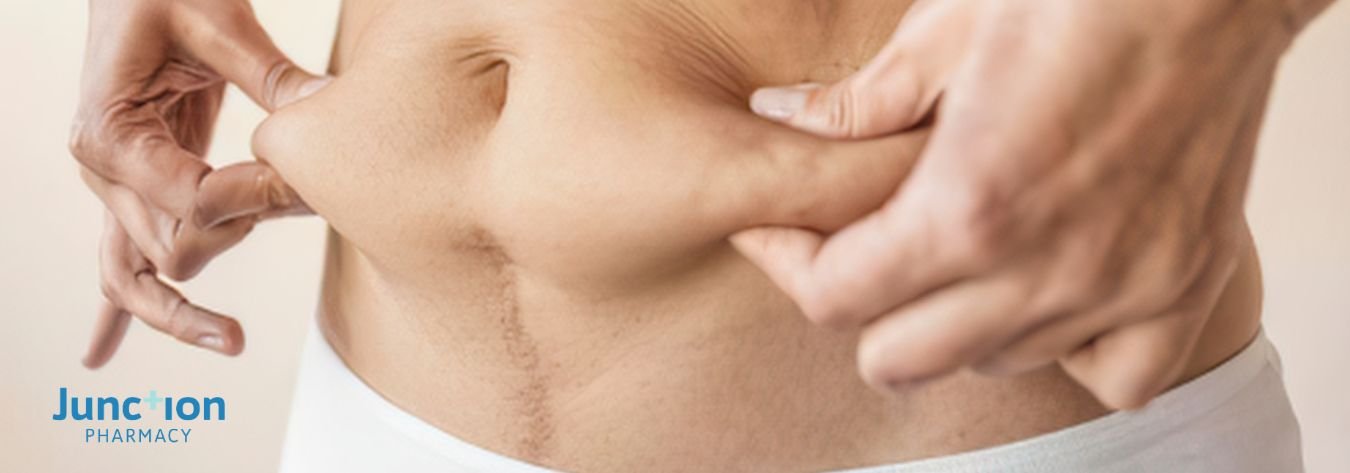
Your skin is elastic and adapts to your body over time. When weight is gained gradually, the skin stretches to accommodate increased body mass. When weight is lost, particularly rapidly, the skin does not always have enough time to shrink back.
Collagen and elastin fibres within the skin are responsible for its firmness. As we age, the production of these proteins naturally slows, which is why older adults may notice more skin laxity after losing weight than younger people.
Other factors that influence skin elasticity include:
➤ How much weight is lost in total
➤ The speed at which it is lost
➤ Age and genetics
➤ Hydration levels and skin condition
➤ Nutritional status during the weight loss journey
Understanding these factors is key to making decisions that protect your skin throughout the process.
Why Surgery Is Not Always the Answer
Some people consider surgical routes such as skin removal surgery or gastric band procedures when dealing with weight or excess skin. While these interventions can be appropriate in certain clinical situations, they carry significant risks. Both procedures involve general anaesthesia, lengthy recovery periods, potential complications such as infection or scarring, and considerable cost.
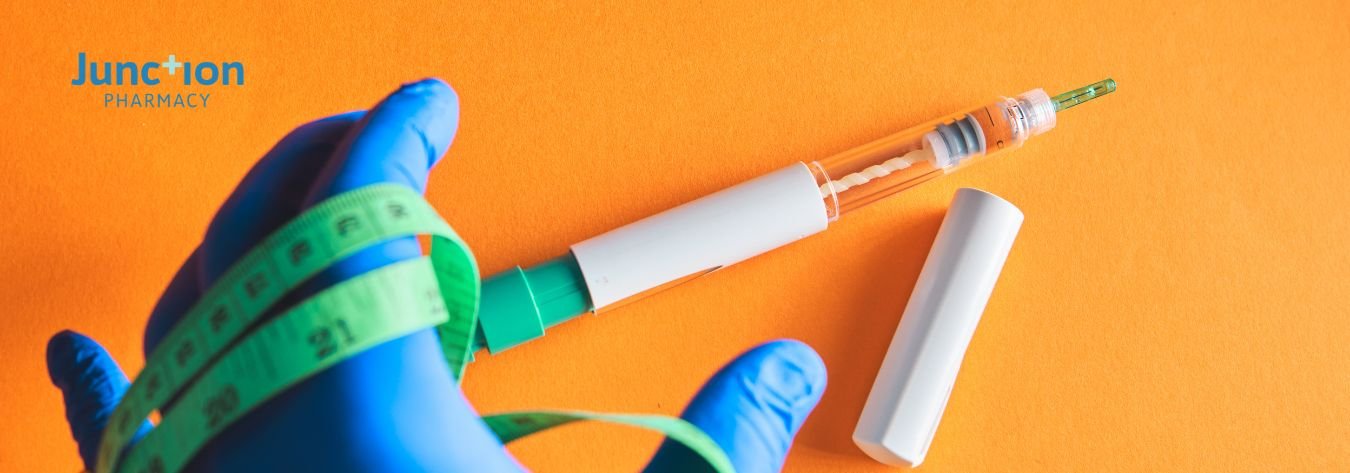
Medical weight loss injections, by contrast, offers a safer and less invasive path. By losing weight at a controlled, steady pace with clinical support, your body has far more opportunity to adapt naturally. This means less risk of dramatic skin laxity in the first place, no surgical downtime, and a more sustainable long-term outcome. At Junction Pharmacy in London, our clinician-led approach means you are supported at every step without the risks associated with invasive procedures.
Lose Weight Slowly and Consistently
One of the most effective strategies for how to avoid loose skin when losing weight using tools like Mounjaro or Wegovy is simply to take it slow and steady. Rapid weight loss, such as crash dieting or extreme calorie restriction, gives the skin no time to adapt.
A gradual rate of weight loss, typically around 0.5 to 1 kilogram per week, is widely recommended by healthcare professionals. Losing weight at a steady pace is not only safer but also more likely to result in lasting success compared to crash diets that can lead to rapid weight regain.
This approach gives collagen and elastin fibres the time they need to gradually adjust to your changing body shape.
Build and Maintain Muscle Through Exercise
Exercise plays a dual role in weight management. It helps burn calories but also builds muscle, which fills out the skin and creates a firmer appearance as fat is lost.
| Exercise Type | Benefit for Skin | Examples |
|---|---|---|
| Resistance Training | Builds muscle to fill skin | Weight lifting, resistance bands |
| Cardio | Supports circulation and tone | Walking, cycling, swimming |
| Yoga / Pilates | Improves tone and flexibility | Mat Pilates, Vinyasa yoga |
Incorporating strength training at least two to three times a week alongside regular cardio is an excellent combination for those focused on body composition as well as weight loss.
Eat Well to Support Your Skin From Within
What you eat directly affects your skin’s ability to remain firm and elastic during weight loss. Prioritising nutrition is not just about fuelling exercise; it is about giving your skin the building blocks it needs.
Key nutrients to focus on include:
➤ Protein supports muscle maintenance and collagen production. Include lean meats, fish, eggs, legumes, and dairy
➤ Vitamin C is essential for collagen synthesis. Found in citrus fruits, peppers, and leafy greens
➤ Healthy fats from sources like avocado, oily fish, and nuts help maintain skin suppleness
➤ Hydration is critical. Drinking sufficient water daily keeps skin plump and supports elasticity
➤ Avoid excessive alcohol and smoking, both of which accelerate collagen breakdown and reduce skin quality
A balanced, whole-food diet does not just support weight loss; it actively contributes to better skin outcomes throughout the journey.
How Medical Weight Loss Supports Skin Health
Medical weight loss programmes, such as those available at Junction Pharmacy in Brixton, are structured to encourage steady, evidence-based progress. Unlike fad diets or restrictive programmes, clinical guidance helps ensure nutritional needs are met alongside realistic weight loss targets.
Our team can provide personalised support that considers your health history, lifestyle, and goals. This kind of tailored approach means your journey is as kind to your skin as it is effective for your overall health.
Click each box below to reveal answers to common questions:
Ready to Lose Weight the Right Way? Speak to Our Team
If you are ready to begin your weight loss journey with the support of qualified professionals, Junction Pharmacy is here to help. Our medical weight loss services in London are designed to deliver real, sustainable results in a way that supports your overall health and wellbeing.
Book a consultation by contacting us at Junction Pharmacy today.
You can also reach us by calling 02072747599 or emailing junctionpharmacy@gmail.com.
Disclaimer: This article is intended for general guidance and educational purposes only. It does not constitute medical advice and should not be used as a substitute for professional healthcare advice, diagnosis, or treatment. Always consult a qualified healthcare professional before making changes to your diet, exercise routine, or weight management plan.
