Earwax Blocking Ear? Explore The Best – And Worst – Removal Options
A blocked ear is more than just an annoyance. Depending on the cause and severity, it can affect your hearing, your balance, and your daily quality of life. If earwax is the culprit, the good news is that there are several removal options available. The less good news is that they are not all equally safe or effective.
Below, we rank the most common earwax removal methods from least recommended to most effective, so you can make an informed decision about what to do next.
If you are already dealing with a blocked ear and want professional help, our ear wax removal service at Junction Pharmacy in London offers safe, same-appointment microsuction. Book your appointment today and get the relief you need.
Why Does Earwax Build Up?
Earwax, known medically as cerumen, is produced naturally by glands in the ear canal. It serves a protective function, trapping dust, debris, and bacteria before they can reach the eardrum. In most people, the ear is self-cleaning and wax gradually migrates out of the canal on its own.
However, some people produce more wax than others, have naturally narrow or curved ear canals, or use in-ear headphones, hearing aids, or cotton buds in ways that push wax deeper rather than clearing it. When wax accumulates, it can harden and cause a blockage.
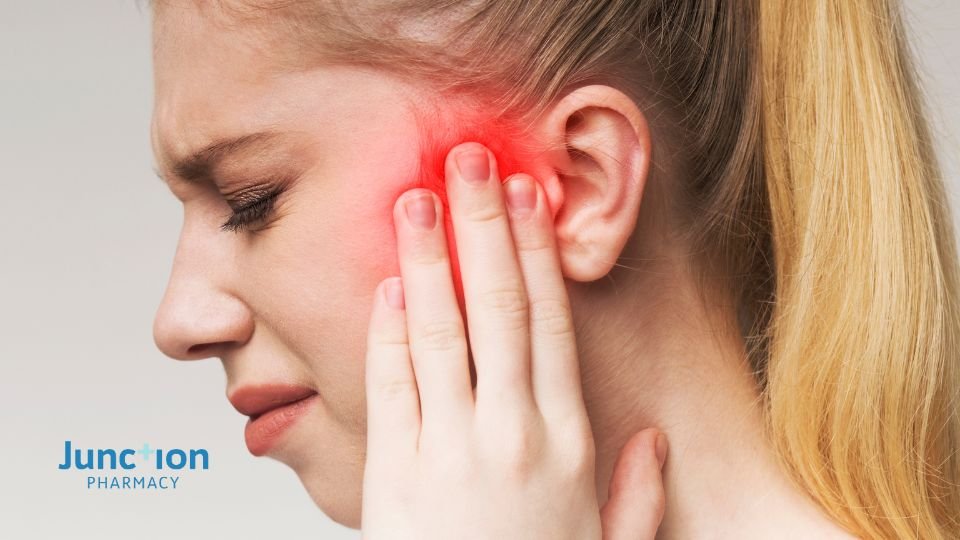
Symptoms of impacted earwax include:
➤ A feeling of fullness or pressure in the ear
➤ Muffled or reduced hearing
➤ Tinnitus (ringing or buzzing in the ear)
➤ Earache or mild discomfort
➤ Dizziness or a sensation of imbalance
If you recognise these symptoms, it is worth acting sooner rather than later. Impacted wax does not typically resolve on its own once hardened.
Earwax Removal Options: Ranked From Least to Most Recommended
5. Cotton Buds — Avoid Entirely
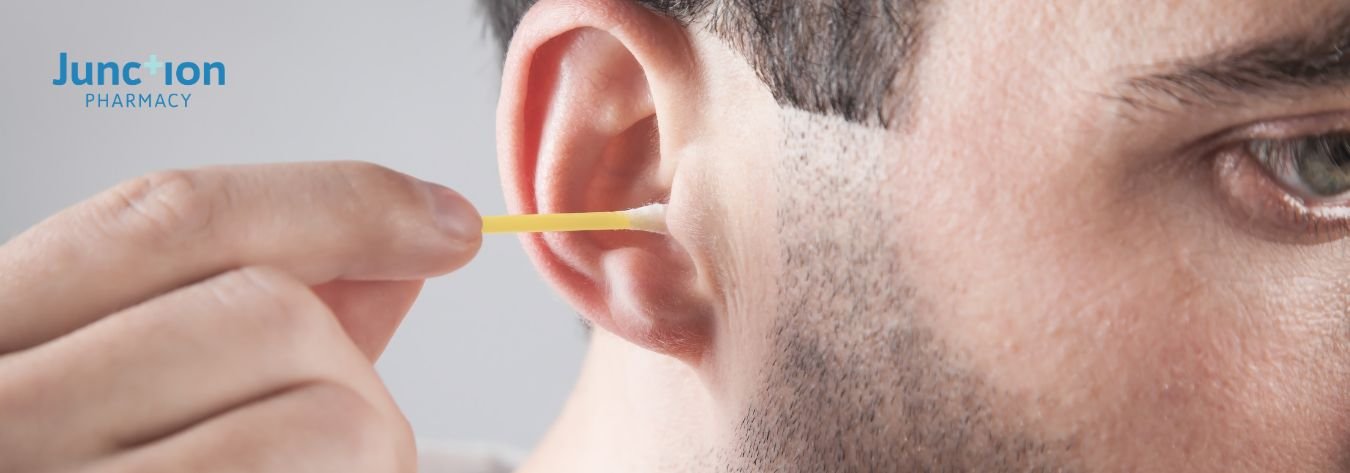
Cotton buds are perhaps the most commonly misused tool in ear care. Despite being widely available and instinctively reached for, they do far more harm than good.
Rather than removing wax, cotton buds push it further into the canal where it compacts against the eardrum. Repeated use can cause:
➤ Wax impaction that requires professional removal
➤ Micro-abrasions inside the canal, increasing infection risk
➤ Eardrum perforation in more serious cases
The NHS advises clearly against putting anything smaller than your elbow in your ear. Cotton buds are not a treatment option; they are a contributing cause of the problem.
4. Ear Candling — No Clinical Evidence, Real Risks
Ear candling involves placing a hollow candle into the ear canal and lighting it, with the claim that the heat creates a vacuum that draws wax out. It sounds plausible, but the evidence tells a different story.
Multiple clinical studies have found that ear candling does not generate sufficient negative pressure to remove wax and does not produce any measurable therapeutic benefit. What it does produce is a genuine risk of:
➤ Burns to the face, ear canal, or eardrum
➤ Candle wax deposits inside the ear canal
➤ Fire hazard during use
This method is not recommended by any UK clinical body and should be avoided entirely.
3. Over-the-Counter Ear Drops — Useful, But Limited
Softening drops, such as olive oil, sodium bicarbonate, or proprietary preparations, are a reasonable first step for mild wax build-up. They work by softening hardened wax, which may allow it to migrate out of the canal naturally over several days.
According to NHS guidance on earwax build-up, softening drops used consistently for two to four weeks can be effective for mild cases and are the recommended first-line approach before seeking professional removal.
However, drops have clear limitations:
➤ They do not remove wax directly, only soften it
➤ Hardened or deeply impacted wax is unlikely to shift without physical removal
➤ They should not be used if you have a perforated eardrum or grommets
➤ Results can take days to weeks and are not guaranteed
For moderate to significant blockages, drops alone are rarely sufficient.
2. Ear Irrigation — Effective, But Not for Everyone
Irrigation, sometimes called ear syringing, uses a controlled flow of warm water to flush wax from the ear canal. It is commonly offered in GP surgeries and has been used for many years as a standard removal method.
When performed correctly on a suitable patient, irrigation is effective. However, it carries a number of contraindications and limitations:
➤ Not suitable for patients with a history of perforated eardrum, ear surgery, or grommets
➤ Can cause dizziness during or after the procedure due to cold water entering the canal
➤ Risk of otitis externa (outer ear infection) if the canal is left wet
➤ Not appropriate where wax is very hard or tightly impacted
➤ Increasingly difficult to access via GP services due to reduced NHS provision
Irrigation remains a clinically valid option for appropriate patients, but it is not the gold standard.
1. Microsuction — The Safest and Most Effective Method
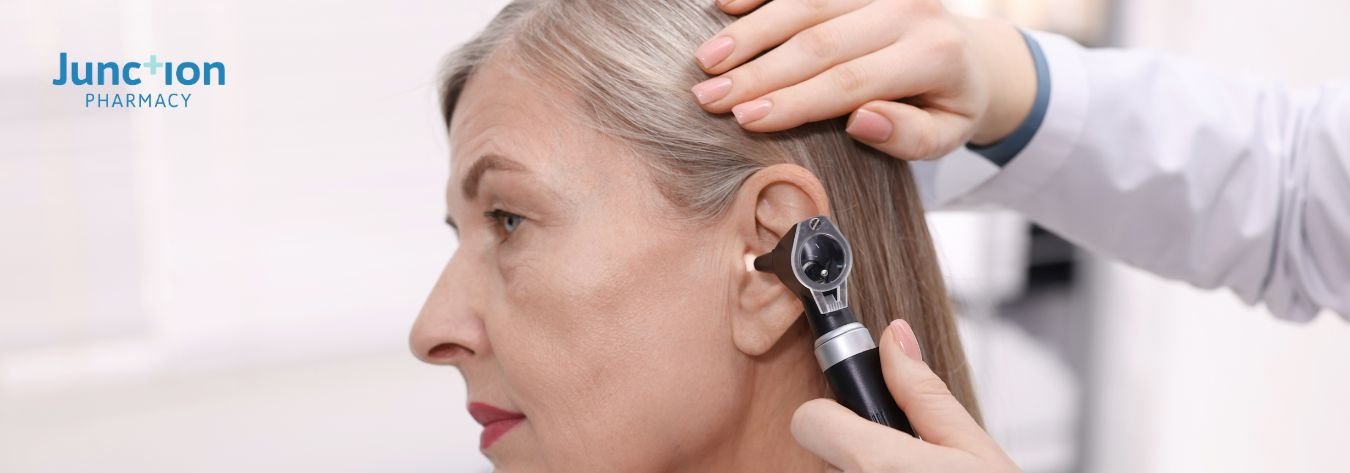
Microsuction is widely regarded by audiologists and ear care clinicians as the preferred method of earwax removal, and for good reason. It uses gentle suction through a fine sterile tube to carefully remove wax under direct visualisation, with a microscope or video otoscope.
The advantages over every other method are significant:
➤ Performed under direct visualisation throughout, meaning the clinician can see exactly what they are doing at all times
➤ No water is used, eliminating the risk of infection from a wet canal
➤ Suitable for patients with perforated eardrums, grommets, or a history of ear surgery
➤ Works on wax of any consistency, including hard, impacted wax
➤ Results are immediate, with most patients noticing improved hearing straight away
➤ Quick procedure, typically completed within 30 minutes
➤ Clinically safe for the vast majority of patients including those who cannot be irrigated
The only preparation often recommended is softening drops for two to three days beforehand, which can make the procedure quicker and more comfortable, though it is not always essential.
Comparing Your Options at a Glance
| Method | Effectiveness | Safety | Suitable For Most Patients? |
|---|---|---|---|
| Cotton buds | None | Poor | No |
| Ear candling | None | Poor | No |
| Ear drops | Mild cases only | Good | Most (check for contraindications) |
| Irrigation | Moderate | Moderate | Selected patients only |
| Microsuction | High | Excellent | Yes, including complex cases |
Frequently Asked Questions
Click on each FAQ to reveal the answers you are looking for.
Get Your Ears Cleared Today at Junction Pharmacy
If earwax is affecting your hearing or causing discomfort, there is no need to wait and hope it resolves on its own. Our microsuction service at Junction Pharmacy in London, Brixton, and Camberwell provides safe, fast, and clinically effective earwax removal with immediate results.
No referral is needed. Simply book your microsuction appointment online, or contact our team if you have any questions before booking.
Call us on 02072747599 or email junctionpharmacy@gmail.com.

Disclaimer: This article is intended for general guidance and educational purposes only. It does not constitute medical advice and should not replace a clinical assessment. If you are experiencing ear pain, sudden hearing loss, or discharge from the ear, seek prompt advice from a qualified healthcare professional.
