
Anti Obesity Medication Myths and Facts: Why Sustainable Weight Loss Takes Time
Anti obesity medication has changed the lives of thousands of patients across the UK, but it has also attracted a wave of misconceptions. Some myths make it sound like a miracle cure. Others make it sound dangerous or unnecessary. Neither is accurate, and believing either can seriously undermine your results.
At Junction Pharmacy, our medical weight loss service in London is built around honest, evidence-based guidance. If you have questions about whether Wegovy, Mounjaro, or other treatments are right for you, we are here to help you find out.
Myths vs Facts: A Quick Reference
Before we go deeper into each myth, here is a summary of some of the most common misconceptions and what the evidence actually shows:
| The Myth | The Fact |
|---|---|
| You do not need to change your diet | Medication reduces appetite but does not replace the need for nutritional quality. |
| Exercise is optional on medication | Physical activity preserves muscle mass and supports long-term weight maintenance. |
| Results are instant | Meaningful, sustainable weight loss takes months, not days. |
| You can stop whenever you like | Stopping without clinical guidance can lead to rapid weight regain. |
| Anti obesity medication is addictive | GLP-1 medications are not addictive. They work by mimicking natural gut hormones. |
| It works the same for everyone | Individual response varies based on genetics, lifestyle, and starting health status. |
Myth: Weight Loss Medication Works Without Healthy Eating
This is perhaps the most widespread myth, and it sets patients up for disappointment. Medications like Wegovy and Mounjaro work by suppressing appetite and slowing gastric emptying, which means you naturally want to eat less. But what you eat still matters enormously. Patients who continue to consume highly processed, calorie-dense foods, even in smaller quantities, often find their progress slower and their energy levels lower than those who shift toward a more nutritious diet. The medication creates a window of opportunity for better habits. It does not replace them.

Myth: You Do Not Need To Exercise On Anti Obesity Medication
Some patients in London assume that because the medication is doing the heavy lifting on appetite control, physical activity becomes optional. In reality, the opposite is true. As you lose weight, you naturally lose some muscle mass alongside fat. Without regular movement, particularly resistance-based exercise, this muscle loss accelerates. Less muscle means a lower resting metabolic rate, which makes long-term weight maintenance significantly harder. Even moderate activity such as brisk walking three to four times a week makes a meaningful clinical difference to outcomes.
Myth: Results Should Happen Quickly Or The Medication Is Not Working
Sustainable weight loss is slow by design. Research published by the NHS recommends aiming for no more than 0.5 to 1kg per week for healthy, lasting fat loss. GLP-1 medications typically produce their most significant results over a period of twelve to sixty-eight weeks, with progressive titration to the therapeutic dose. Patients who become discouraged after four weeks and abandon treatment often do so just as the medication is beginning to work properly. Patience is a clinical requirement, not simply a virtue.
Myth: You Can Stop Anti Obesity Medication At Any Time Without Consequences
Stopping medication abruptly and without clinical guidance is one of the most common causes of weight regain. When GLP-1 treatment ends, appetite typically returns to pre-treatment levels. Without the lifestyle foundations, including dietary habits and regular movement, that were built during treatment, most patients regain a significant proportion of lost weight within months. A planned, supervised withdrawal strategy is far more effective than simply stopping when a target number appears on the scales.
Myth: Anti Obesity Medication Is A Shortcut For People Unwilling To Try
This myth is both inaccurate and unhelpful. Obesity is a complex, chronic condition with genetic, hormonal, and environmental drivers. Many patients at our weight loss clinic in Brixton have spent years trying diet and exercise alone before seeking medical support. Anti obesity medication is a clinically recognised treatment for a recognised medical condition. It is not a shortcut. It is a tool, and like any tool, it works best when used correctly and consistently.
Myth: Once You Reach Your Target Weight, The Work Is Done
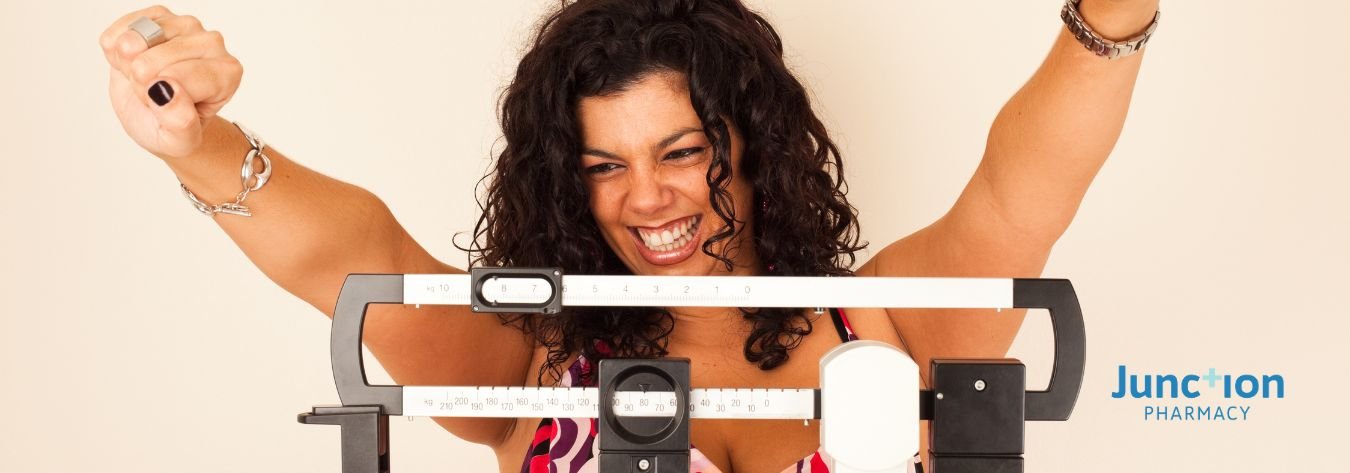
Reaching a target weight is a milestone, not a finish line. Weight maintenance requires ongoing attention to diet, activity, sleep, and stress. For many patients, a planned transition off medication involves gradually reducing the dose while reinforcing the lifestyle behaviours established during treatment. Those who treat the end of active weight loss as the end of the process are significantly more likely to experience regain. Long-term success belongs to patients who treat their health as an ongoing commitment, not a one-off project.
Frequently Asked Questions
Do I still need to diet while taking Wegovy or Mounjaro?
Yes. The medication reduces appetite but does not automatically improve the nutritional quality of what you eat. A diet rich in protein, vegetables, and whole foods will support better results, preserve muscle mass, and improve energy levels throughout treatment.
How long does it take to see results on anti obesity medication?
Most patients begin to notice changes within four to eight weeks, but the most significant results typically occur over twelve to sixty-eight weeks as the dose is titrated upward. Consistency with both medication and lifestyle habits is what drives sustained progress.
Will I regain weight when I stop Mounjaro or Wegovy?
There is a significant risk of regain if medication is stopped without a clinical withdrawal plan and without the lifestyle foundations in place. Speak to your clinician about a planned, gradual approach to coming off treatment when the time is right.
Is anti obesity medication addictive?
No. GLP-1 receptor agonists like tirzepatide and semaglutide are not addictive. They mimic naturally occurring gut hormones involved in appetite regulation and blood sugar control. They do not create dependence in the clinical sense.
Why does anti obesity medication work differently for different people?
Individual response is influenced by genetics, gut microbiome composition, starting weight, hormonal factors, sleep quality, stress levels, and how closely lifestyle changes are followed alongside the medication. There is no single universal outcome.
Do I need to exercise while on Wegovy or Mounjaro?
Clinically, yes. Exercise is not compulsory, but it is strongly recommended. Movement helps preserve muscle mass during weight loss, supports metabolic health, improves mood, and significantly improves the chances of maintaining results after treatment ends.
Is anti obesity medication only for people who have not tried other methods?
Not at all. Many patients who are eligible for treatment have already made significant efforts with diet and exercise. Obesity has well-established biological drivers that go beyond willpower. Anti obesity medication is a legitimate clinical intervention, not a last resort reserved for a specific type of patient.
The Bottom Line: Medication And Lifestyle Work Together
Anti obesity medication is one of the most significant advances in weight management in a generation, but it is not magic. The patients who achieve lasting, meaningful results are those who use the medication as part of a broader commitment to healthier habits, not as a replacement for them. That means eating well, moving regularly, sleeping enough, and staying connected to a clinical team who can support and adapt your plan as your needs change.
At Junction Pharmacy, our weight loss programme in London provides exactly that kind of joined-up support. We are not here to prescribe and disappear. We are here for every stage of the journey.
To find out more or to begin your assessment, call us on 02072747599, email junctionpharmacy@gmail.com, or send us a message online. You can also read more about realistic weight loss timelines on our website.
Disclaimer: This article is intended for general guidance and educational purposes only. It does not constitute medical advice and should not replace personalised guidance from your prescribing clinician or pharmacist. Individual results vary and any changes to your medication or treatment plan should always be discussed with a qualified healthcare professional before being made.
