

A Guide To Managing An Ear Blocked With Wax: London Microsuction Services
A blocked ear is one of those problems that starts as a mild nuisance and can quickly become genuinely disruptive. Muffled hearing, a feeling of fullness, ringing, or even dizziness are all common signs that earwax has built up to a point where it needs attention. The good news is that in most cases, it is very manageable with the right approach taken in the right order.
At Junction Pharmacy, our earwax removal service in London helps patients get their hearing back safely and comfortably. If you have already tried softening drops and are not getting relief, we are here to help.
Why Ears Block With Wax
Earwax (cerumen) is produced naturally by the ear canal and in most people clears itself gradually. However, some people produce more wax than others, have narrower or curved ear canals, or regularly use earphones, hearing aids, or earplugs, all of which can prevent natural clearance and lead to a build-up. According to NHS guidance, earwax blockage affects around one in ten children and one in twenty adults in the UK at any given time, making it one of the most common reasons people seek help from a pharmacy or GP.
Step 1: Try Softening Ear Drops First
Before anything else, softening drops are always the right starting point for a straightforward earwax blockage. They are available over the counter and can be effective for mild to moderate build-up when used consistently over several days.
➤ Olive oil drops or sprays are a gentle, well-tolerated first option
➤ Sodium bicarbonate drops are slightly stronger and can help break down denser wax
➤ Apply drops two to three times daily for five to seven days
➤ Lie on your side for a few minutes after applying to allow the drops to reach the wax
➤ Do not use drops if you have a perforated eardrum, ear pain, or discharge from the ear
In some cases, softening alone is enough for the wax to migrate out naturally. If after a week of consistent use the blockage remains, move to step two.
Step 2: Speak To A Clinician Before Trying Anything Else
If drops have not resolved the problem, it is important to get a proper assessment before attempting any further removal at home. Cotton buds, ear candles, and ear irrigation kits bought online carry real risks if used incorrectly, including pushing wax deeper into the canal or damaging the eardrum. A quick conversation with a trained clinician helps establish whether professional removal is appropriate and which method suits your situation.
This is where a visit to Junction Pharmacy in Camberwell, London makes a significant difference. We can assess your ears quickly and advise on the most appropriate next step.
Step 3: Microsuction – The Gold Standard For Earwax Removal
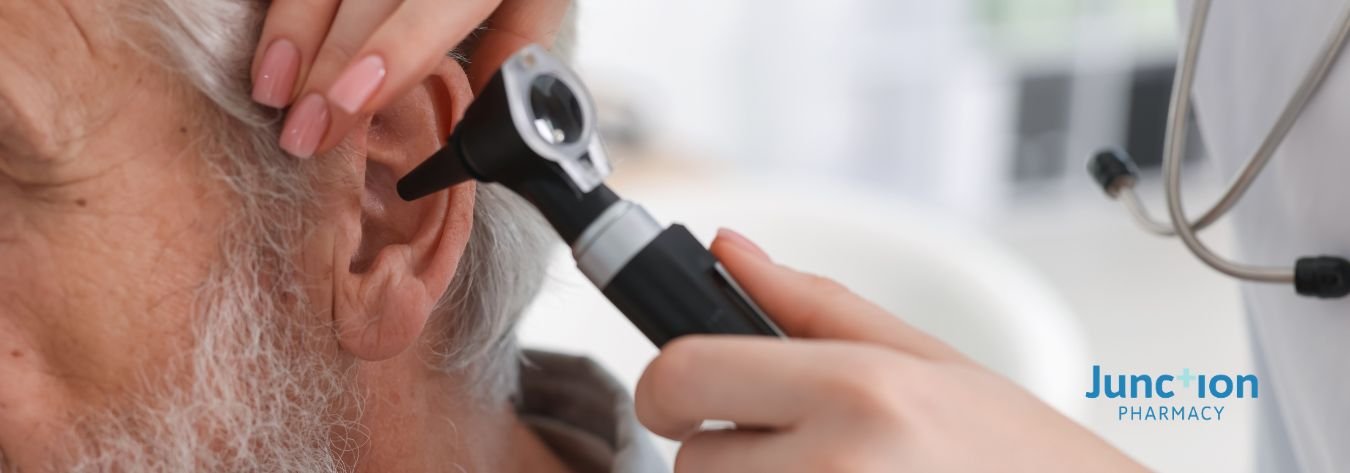
Microsuction is widely considered the safest and most effective method of professional earwax removal. It uses a fine, low-pressure suction device to remove wax under direct visualisation, meaning the clinician can see exactly what they are doing throughout the procedure. It is dry, precise, and does not require prior softening in many cases, though using drops beforehand can make the process faster and more comfortable.
| Method | How It Works | Suitable For |
|---|---|---|
| Softening drops | Dissolves and loosens wax so it can move out naturally | Mild to moderate build-up, first-line self-care |
| Microsuction | Low-pressure suction removes wax under direct visual guidance | Most cases; safe for hearing aid users and perforated eardrums in some instances |
| Manual removal | Clinician uses a fine instrument to carefully extract wax | Harder or drier wax that does not respond to suction alone |
| Ear irrigation | Warm water flushes the canal to dislodge softened wax | Soft wax with no history of perforation or ear surgery |
Step 4: Ongoing Care To Prevent Recurrence
Once your ears have been cleared, a little routine maintenance significantly reduces the chance of the blockage returning. Patients who use hearing aids or earphones regularly are particularly prone to recurrence and benefit most from a consistent care routine.
➤ Use olive oil drops two or three times a week as a preventative measure if you are prone to build-up
➤ Avoid inserting anything into the ear canal, including cotton buds
➤ Clean the outer ear gently with a damp cloth only
➤ If you wear hearing aids, ask your audiologist about regular ear health checks
➤ Return for professional removal every six to twelve months if wax builds up repeatedly
Frequently Asked Questions
How long should I use ear drops before seeking professional help?
Use drops consistently for five to seven days. If hearing has not improved or symptoms are worsening after this period, book an appointment with a clinician for an assessment and professional removal if appropriate.
Is microsuction safe?
Yes, when performed by a trained clinician. It is considered one of the safest earwax removal methods available as it does not introduce water into the canal and allows the clinician to see the ear throughout the procedure.
Can I use cotton buds to remove earwax at home?
No. Cotton buds are one of the most common causes of wax being pushed deeper into the canal, which can worsen the blockage and in some cases damage the eardrum. Clean the outer ear only, never inside the canal.
How often do ears need professional cleaning?
For most people, once or twice a year is sufficient if wax builds up regularly. Those who use hearing aids or are particularly prone to build-up may benefit from more frequent visits. Your clinician can advise based on your individual ear health.
Let Us Sort It For You
A blocked ear does not need to become a prolonged problem. Follow the steps above in order, and if drops alone are not enough, our team at Junction Pharmacy in London is ready to help. Microsuction appointments are straightforward to book and most patients leave with noticeably improved hearing the same day.
Call us on 02072747599, email junctionpharmacy@gmail.com, or contact us online to arrange your appointment. Find out more about our earwax removal service and what to expect on the day.

Disclaimer: This article is intended for general guidance and educational purposes only. It does not constitute medical advice and should not replace personalised guidance from a qualified clinician or pharmacist. If you are experiencing ear pain, discharge, sudden hearing loss, or dizziness, seek professional advice promptly rather than attempting self-treatment.
