
Do Weight Loss Patches Compare to Injections? A Complete Comparison
With so many weight management options on the market, it can be difficult to know where to start. Weight loss patches have grown in popularity as a seemingly convenient alternative to injections, but how do they actually compare when it comes to results, safety, and clinical evidence?
At Junction Pharmacy, our team is here to cut through the noise and help you make an informed decision. Speak to us today or book a weight management consultation to find out which approach may be right for you.
You can also reach us on 02072747599 or junctionpharmacy@gmail.com, or read on to learn more.
What Are Weight Loss Patches?
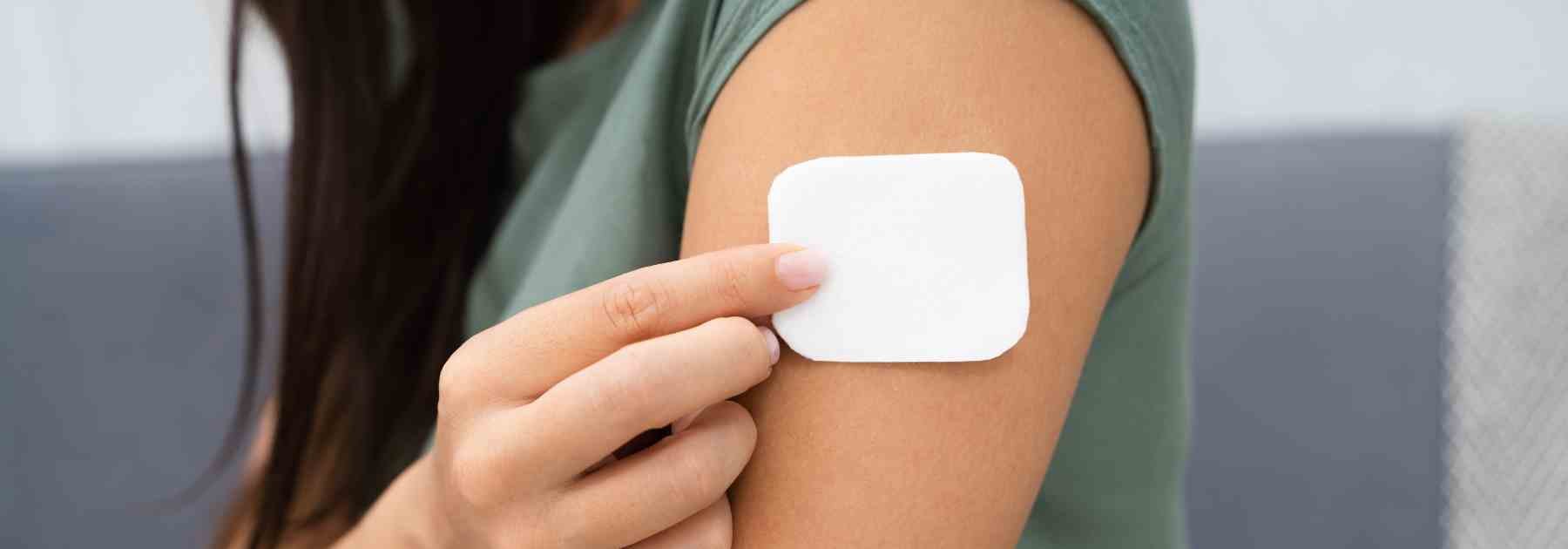
Weight loss patches are adhesive patches worn on the skin that claim to deliver active ingredients transdermally, meaning through the skin and into the bloodstream. They are widely marketed online and in health shops, often promoted as a hands-free, painless route to weight loss.
Common ingredients found in weight loss patches include:
➤ Green tea extract
➤ Garcinia cambogia
➤ Guarana
➤ B vitamins
➤ Hoodia gordonii
Whilst these ingredients are sometimes associated with appetite suppression or metabolism support, the clinical evidence supporting their effectiveness when delivered via a patch is extremely limited. The majority of weight loss patches available in the UK are not licensed medicines and are not regulated by the Medicines and Healthcare products Regulatory Agency (MHRA) in the same way that prescription treatments are.
What Are Weight Loss Injections?
Weight loss injections, such as Mounjaro or Wegovy, belong to a class of licensed prescription medications known as GLP-1 receptor agonists. These treatments are clinically proven, MHRA-approved, and prescribed following a medical assessment.
Key features of prescription weight loss injections include:
➤ Clinically trialled and approved for use in the UK
➤ Prescribed only after a full health assessment
➤ Delivered via a small, fine needle injection once weekly
➤ Supported by ongoing monitoring from a healthcare professional
➤ Proven to produce significant and sustained weight loss in eligible patients
A landmark study published in The New England Journal of Medicine found that adults using semaglutide alongside lifestyle changes lost an average of 14.9% of their body weight over 68 weeks, compared with 2.4% in the placebo group. No equivalent clinical evidence exists for weight loss patches.
Weight Loss Patches vs Injections: A Direct Comparison
| Factor | Weight Loss Patches | Weight Loss Injections |
|---|---|---|
| Clinical evidence | Very limited | Extensive, peer-reviewed trials |
| MHRA regulation | Generally unregulated | Licensed prescription medicine |
| Average weight loss | Unproven / minimal | Up to 15 to 22% body weight |
| Medical supervision | Not required | Required and recommended |
| Ease of use | Applied to skin, no needles | Weekly self-injection |
| Side effects | Skin irritation, unknown risks | Nausea, GI symptoms, monitored |
| Cost | Generally low upfront | Higher, reflects clinical value |
| Availability | Online and health shops | Prescription only via clinician |
Are Weight Loss Patches Safe?
Safety is one of the most important considerations when choosing any weight management product. Because most weight loss patches are not classified as medicines, they are not subject to the same rigorous testing, quality controls, or adverse event reporting requirements as licensed medications.
Potential concerns with weight loss patches include:
➤ Unknown ingredient concentrations and purity
➤ Skin irritation or allergic reactions at the application site
➤ Lack of clinical oversight or follow-up
➤ Risk of interactions with other medications
➤ No guarantee of what is actually absorbed through the skin
Our team advises that sustainable weight loss is best achieved through a combination of a balanced diet, regular physical activity, and where appropriate, clinically supervised treatment. Unregulated products are not part of this recommendation.
Who Might Consider Weight Loss Injections Instead?
Prescription weight loss injections are not suitable for everyone, but they may be an appropriate option for patients who meet specific clinical criteria. Your eligibility is assessed during a medical consultation and is based on factors such as your BMI, overall health, and weight loss history.

Injections may be considered for patients who:
➤ Have a BMI of 30 or above, or 27 with a weight-related health condition
➤ Have not achieved results through diet and exercise alone
➤ Are committed to making lifestyle changes alongside treatment
➤ Do not have contraindications such as a personal history of thyroid cancer
➤ Are based in Greater London, and can access ongoing pharmacy support
Frequently Asked Questions
Click on each FAQ to reveal the answers you are looking for.
Do weight loss patches actually work?
There is currently no robust clinical evidence to suggest that weight loss patches produce meaningful or sustained weight loss. Most patches contain ingredients that have not been proven to work when absorbed transdermally, and they are not regulated as medicines in the UK.
Are weight loss injections available without a prescription?
No. In the UK, weight loss injections such as semaglutide and tirzepatide are prescription-only medicines. They must be prescribed following a clinical assessment and should only be obtained from a registered and regulated provider.
Can I use a weight loss patch alongside a prescription injection?
You should always inform your prescriber about any supplements or products you are using, including patches. Some ingredients could potentially interact with prescription medications, and your clinician needs a full picture of your health to advise you safely.
How quickly do weight loss injections produce results?
Most patients begin to notice changes within the first four to eight weeks of treatment, though significant results are typically seen over a period of several months. Results vary depending on individual factors including diet, activity levels, and the specific medication used.
Where can I get weight loss injections in London?
Junction Pharmacy offers weight management consultations and prescription weight loss services for eligible patients in London, including those in Brixton and the surrounding areas. Our team carries out thorough assessments to ensure any treatment is safe and appropriate for you.
Ready to Explore Your Options? Talk to Our Team
When it comes to weight loss patches versus injections, the clinical evidence points firmly in one direction. Prescription weight loss injections are backed by robust research, regulated, and delivered under professional supervision. Weight loss patches, whilst appealing in their simplicity, currently lack the evidence base to be recommended as an effective treatment.
If you are ready to take a clinically supported step towards your weight management goals, the team at Junction Pharmacy is here to help. We provide expert guidance and prescription weight loss services for patients across London, Brixton, and Camberwell.
Contact our team today to ask any questions, or go ahead and book your weight management consultation online.
Disclaimer: This article is intended for general informational and educational purposes only and does not constitute medical advice. Individual circumstances vary and the information provided here should not be used as a substitute for professional medical guidance. Always consult a qualified healthcare professional before starting, changing, or stopping any weight management treatment.
